
How to Start a Corporate Podcast: A Practical Guide
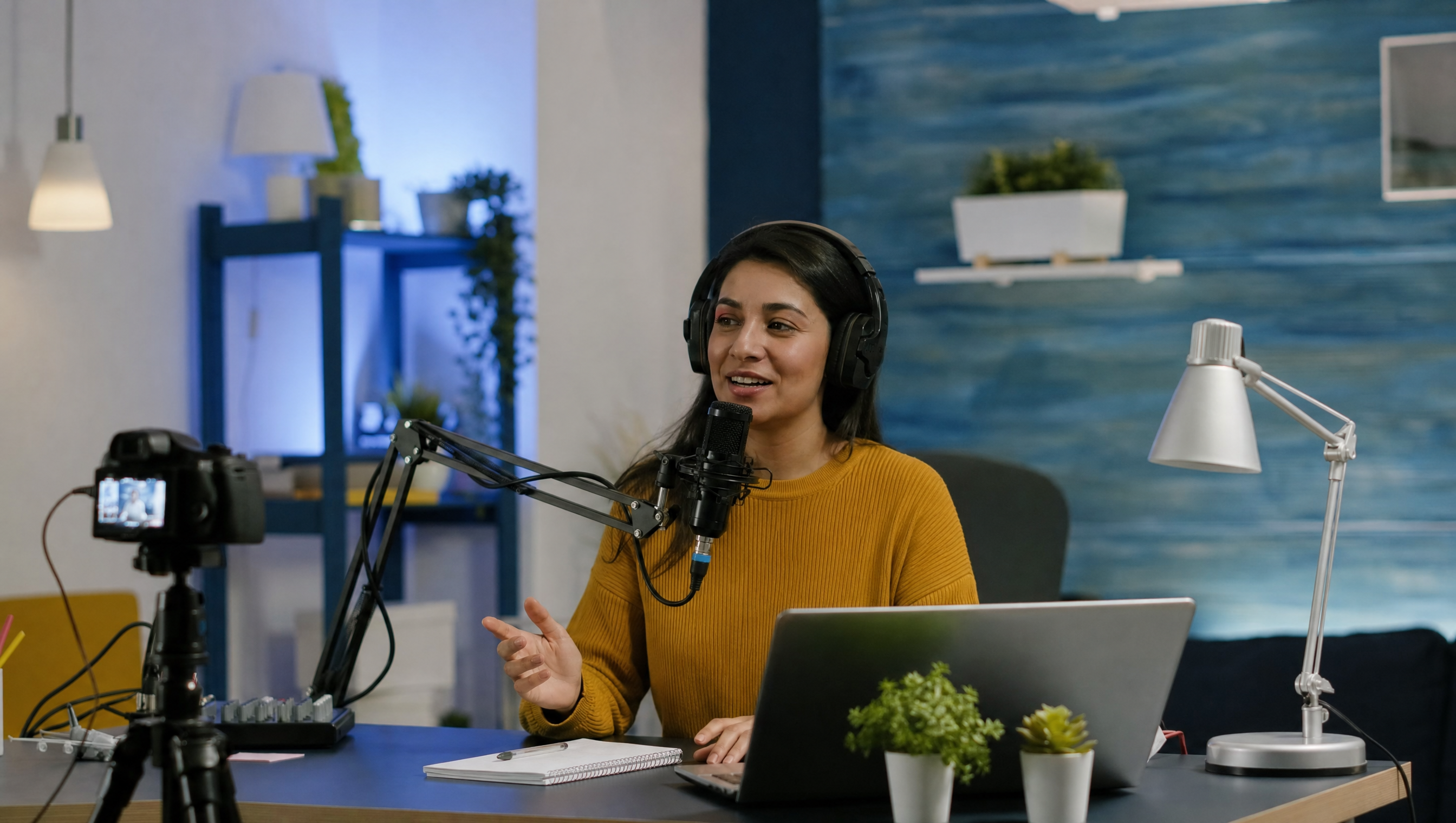
How to Start a Corporate Podcast: A Practical Guide
Launching a corporate podcast does not have to be complicated. From defining your audience to choosing the right format and preparing your first recording, a clear plan can make the entire process much easier.
Start with a clear purpose
Before thinking about microphones, editing or publishing platforms, it is useful to understand why your business wants to create a podcast.
Some companies use podcasts to share industry expertise, while others focus on interviews with employees, customers or business partners. A podcast can also support internal communications, provide educational content or become part of a wider brand content strategy.
Having a clear purpose makes it easier to decide what each episode should contain and who it should be created for.
Understand your audience
A corporate podcast works best when it is designed around the interests of a specific audience.
Consider who you expect to listen. This could include existing customers, potential clients, employees, business partners or professionals within your industry.
Think about the questions these people may have, the topics they are interested in and the type of information your organisation can provide.
Instead of trying to speak to everyone, it is often more effective to build a podcast around a clearly defined group of listeners.
Choose the right podcast format
There is no single format that works for every business.
An interview-based podcast may be suitable if you regularly work with interesting specialists or industry experts. A conversation between two hosts can work well for organisations that want a more informal style.
Other possibilities include round-table discussions, short educational episodes, leadership interviews and narrative-style business stories.
The format should fit both the subject matter and the people who will participate in the recordings.
Plan your first episodes
You do not necessarily need to plan an entire year of content before recording your first episode.
However, it can be useful to identify several potential topics in advance. This helps you understand whether the concept has enough depth to develop into a series.
For each episode, create a simple structure covering the main subject, key discussion points and any questions you would like to explore.
The objective is not to script every sentence. A good structure should guide the conversation while still allowing it to feel natural.
Prepare your speakers
Many corporate podcast guests are experts in their field but may have little or no experience recording audio.
Providing some preparation before the recording can make a significant difference.
Guests should understand the general subject of the episode, how long the conversation is expected to last and the main topics that will be discussed.
This gives participants confidence without making the conversation feel overly rehearsed.
Focus on recording quality
Listeners are usually more forgiving of a natural conversation than they are of distracting audio.
Background noise, inconsistent volume, echo and poor microphone positioning can make even an interesting discussion difficult to follow.
Using an appropriate recording environment and professional equipment can help create clearer and more consistent audio.
Good recording conditions also make the editing and post-production process much easier.
Allow time for post-production
Recording the conversation is only part of producing a finished podcast.
Editing can be used to remove unnecessary pauses, technical interruptions and distracting background sounds. Audio levels can also be balanced so that different speakers remain comfortable to listen to throughout the episode.
Intros, outros, music or other audio branding elements may also be added where appropriate.
The aim is not to make every conversation sound artificial, but to create a polished version that remains natural.
Think about consistency
If you are planning an ongoing series, consistency can help build a recognisable identity.
This does not mean every episode needs to be identical. However, maintaining a similar tone, structure and production quality can make the podcast feel more professional.
It can also make the production process easier for your internal team because everyone understands what is expected from each new episode.
Start with a manageable project
Launching a corporate podcast does not require a large number of episodes from the beginning.
Some organisations start with a short series of three or four conversations before deciding whether to continue.
Others begin with a single pilot episode to explore how the format works for their business.
Starting with a manageable project gives you an opportunity to test the concept, gather feedback and develop the format gradually.
Turning an idea into a podcast
The most important part of starting a corporate podcast is creating a format that makes sense for your organisation and your audience.
With a clear objective, suitable topics and a structured production process, an initial idea can develop into a useful and professional piece of business content.
Whether you begin with one conversation or plan a complete series, taking the time to establish the right foundations can make the rest of the production process considerably simpler.